


A Frontier Welcome
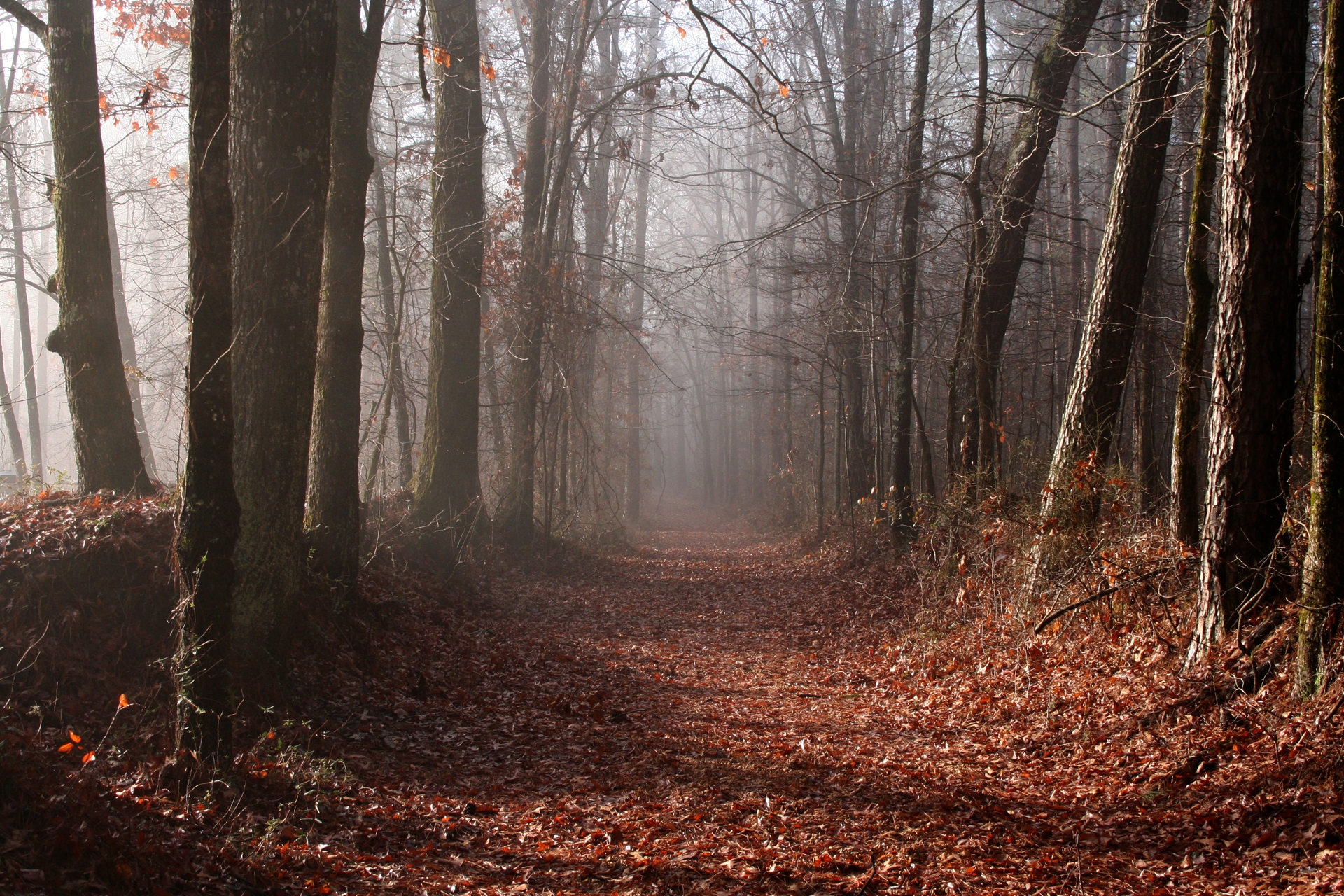
If you step onto the shaded, sunken ribbon of earth known as Old Agency Road today, the modern sounds of Ridgeland quickly fade. You are walking between high earthen banks and beneath a dense tree canopy that feels like a living tunnel. This is a physical piece of the original Natchez Trace. Long before this was a modern community, this ground was part of a vital 444-mile corridor connecting Nashville to Natchez. At the heart of this region’s development sat Brashears Stand. This frontier outpost was a world of its own—a place of trade, diplomacy, and transition. Today, you can move through this history yourself, retracing a story of westward expansion and the complex interactions between settlers and the sovereign Choctaw Nation.
The Arrival of Turner Brashears
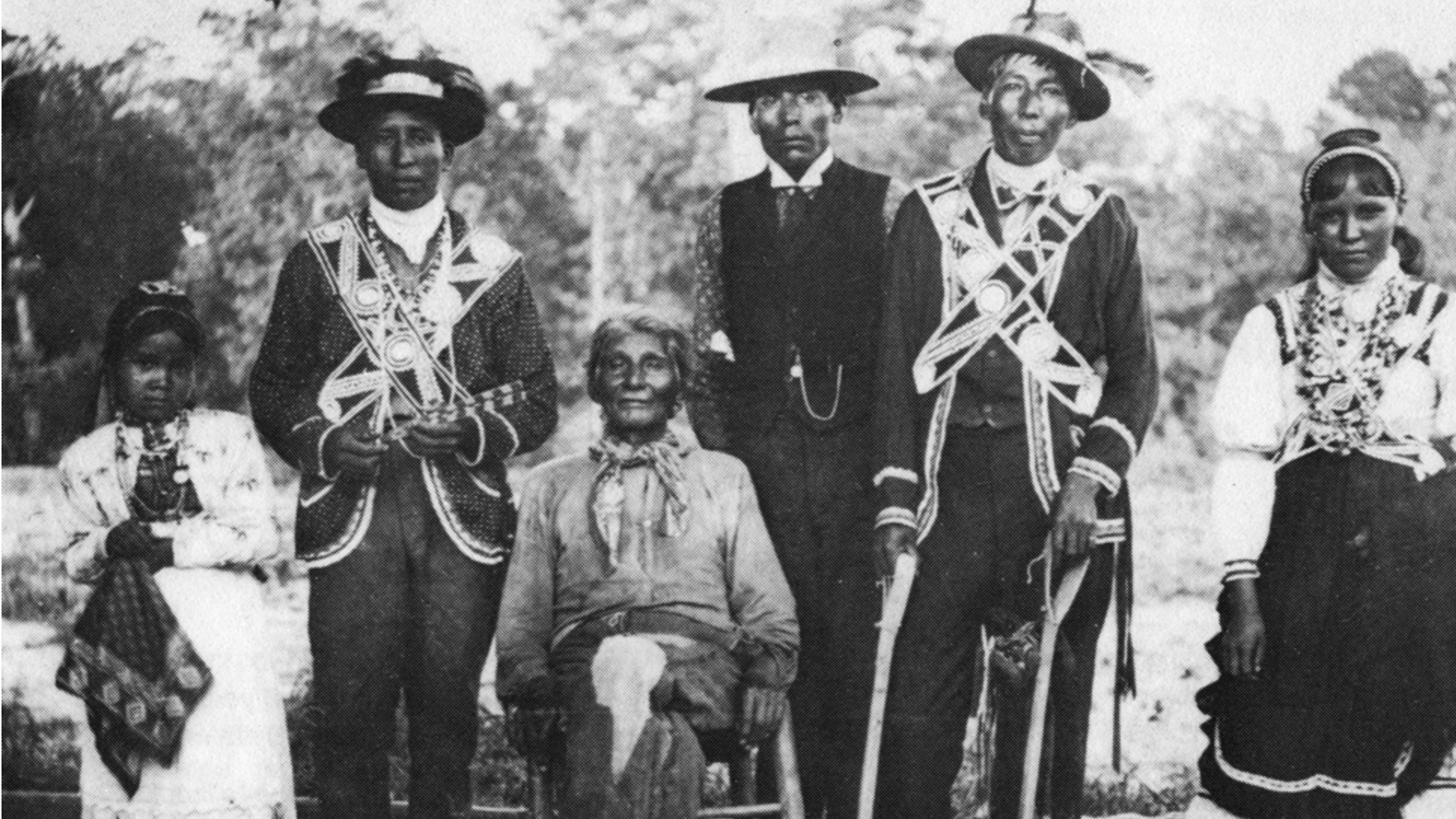
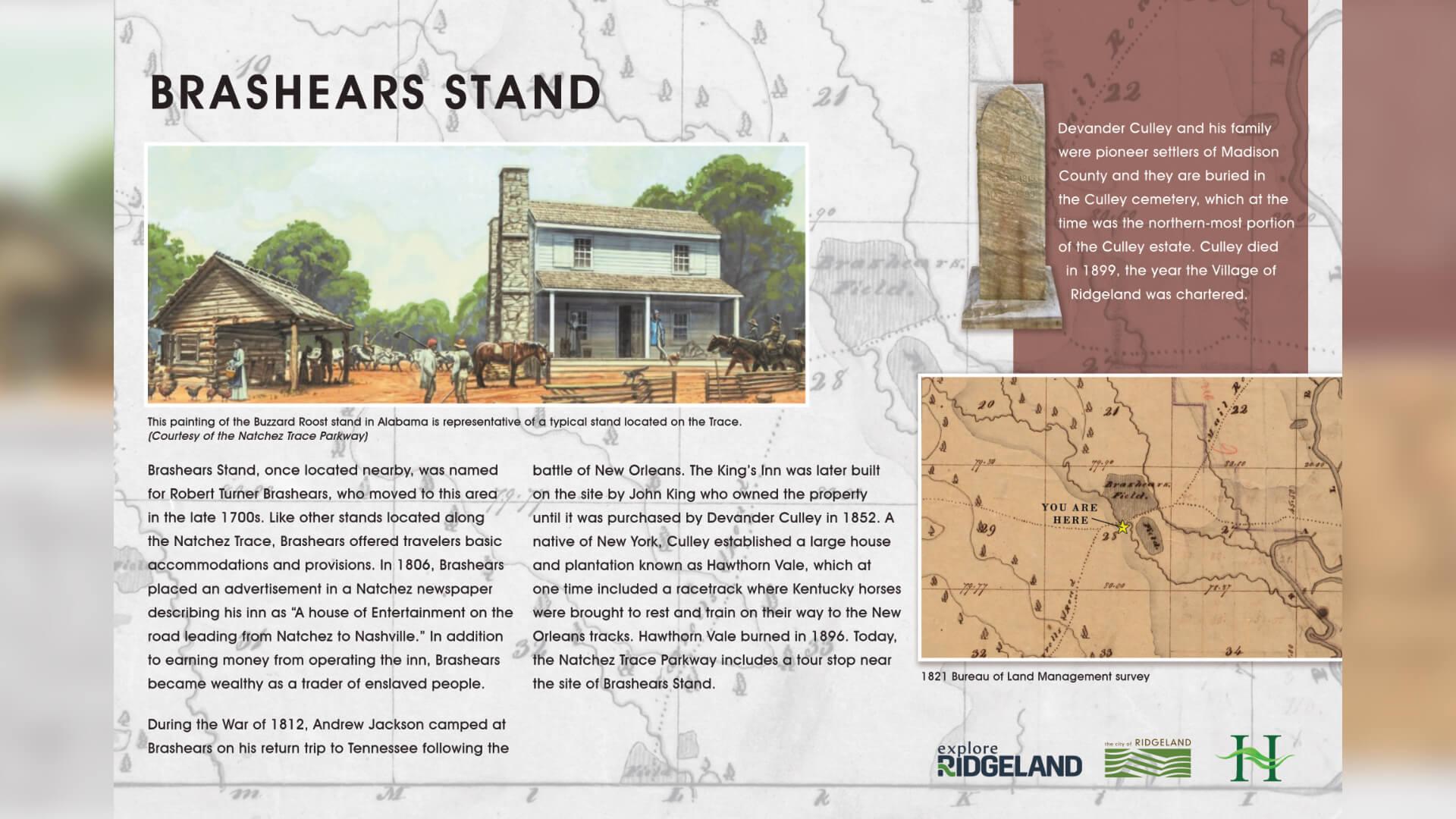
The story begins with Robert Turner Brashears, a frontiersman who moved into the Choctaw Nation in the late 1700s. Unlike many who just passed through, Brashears integrated into the region, becoming a trader and learning the Choctaw language. As more people traveled the animal and Native American trails that formed the Trace, the need for “stands” grew. These were the frontier version of an inn or a way station. In November 1806, Brashears placed a famous advertisement in the Mississippi Messenger. He informed the public that he had opened a “House of Entertainment” in the wilderness. His stand was a crucial gateway for everyone moving through the South. He promised travelers they would find “provender and provision” and even offered a blacksmith shop for their convenience.
Life at a Frontier Stand: Meeting the Kaintucks
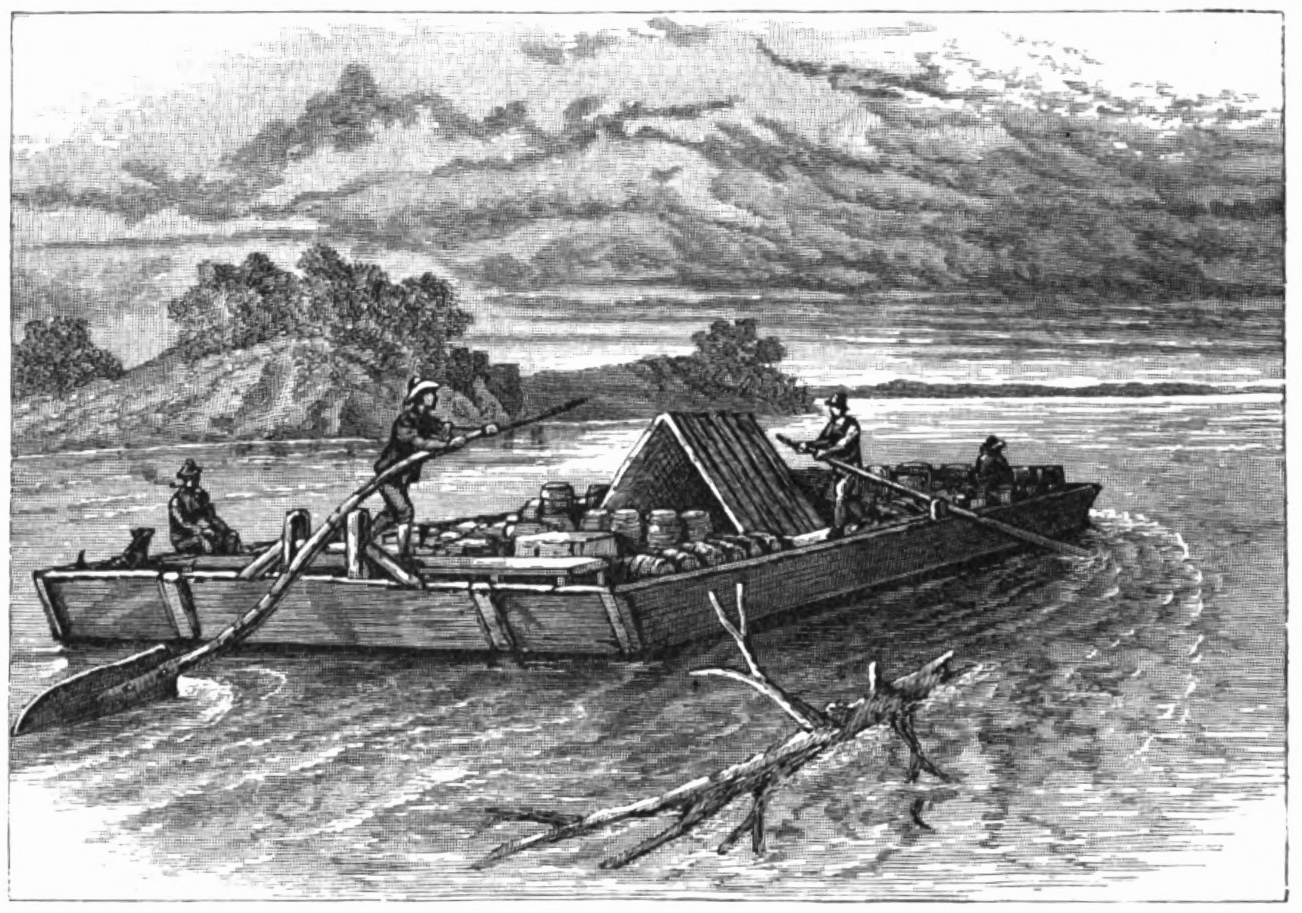
To picture life at the Stand, you have to imagine the “Kaintucks.” These hardy farmers and traders from the Ohio River Valley were the backbone of early American commerce. They floated goods like corn, whiskey, and tobacco down the Mississippi River on massive flatboats.
Because flatboats could not sail against the river's powerful current, the journey south was one-way. Once they reached Natchez or New Orleans, the Kaintucks sold their cargo and even the timber from their boats. They found themselves hundreds of miles from home with heavy pockets of silver and no wayback but their own two feet.
The Kaintucks turned to the Natchez Trace for the long walk north. They traveled in groups to stay safe from bandits, walking fifteen to twenty miles a day through heat and mud. For a weary Kaintuck, the sight of smoke rising from the chimney at Brashears Stand was a signal of temporary relief from the grueling miles.
Proximity to the Great River
Brashears Stand sat at a strategic spot. It was often the first reliable stop after travelers left the riverbluffs at Natchez to trek into the interior. Because it was so close to the river, the Stand felt the immediate effects of the global market. News from the busy port at New Orleans reached Brashears through the stories of the returning boatmen. This created a rhythm for the Stand. When the river rose in the spring, flat boat traffic increased. Weeks later, the Trace would swell with the returning men. Brashears provided the fuel for this human tide. He offered corn for their horses and staples like coffee, sugar, bacon, and whiskey. A common dish was hominy, prepared by soaking corn in lye.
The Architecture of a Frontier Crossroads
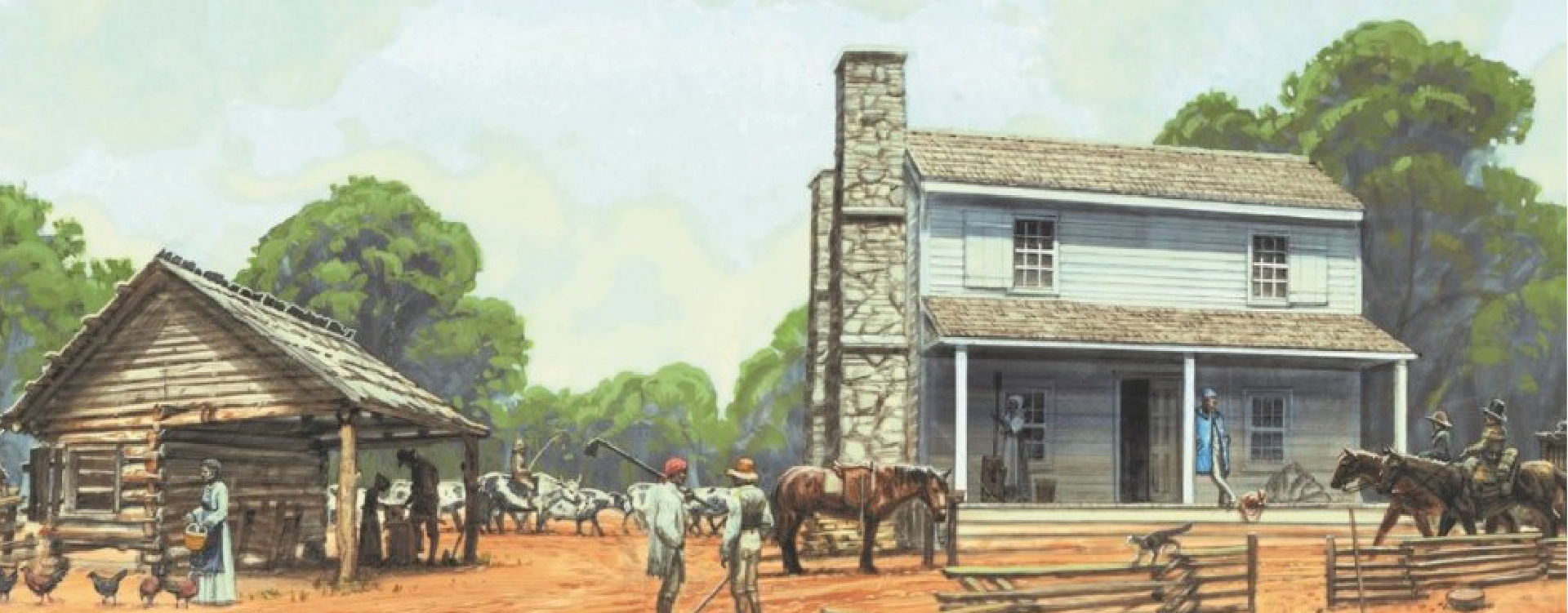
If you were a traveler here in 1800, your accommodations would have been simple. While a lucky few might get a crude bed, most people expected to sleep on a cleared spot on the floor. Because it was often cramped and dirty inside, many chose to sleep on the porch or in the yard under the stars. The Stand was also a vital service center. The blacksmith shop on the property was critical for survival. Horses needed new shoes to navigate the rocky roots of the trail, and wagons needed repairs for broken axles. The blacksmith here was the only mechanic for miles. His labor was as valuable as the food on the table. Despite the rugged conditions, Brashears earned a reputation for running a fine house. In 1807, apreacher noted that Brashears “treated us very well but knew how to make a high bill.” This business sense allowed Brashears to prosper as he expanded his wealth through land and the trade of enslaved people.
A Gateway of Diplomacy and Conflict
Brashears Stand was also a site of political tension. Because it sat within the sovereign Choctaw Nation, it served as a meeting point for tribal leaders and federal officials. Turner Brashears often acted as an interpreter. His ability to speak Choctaw made him a bridge between the two cultures.
However, The Stand also saw the difficult realities of the frontier. The Natchez Trace was a route for the internal slave trade. Enslaved people were marched along this path in chains as the plantation economy grew. Brashears Stand served as a resting point for these forced migrations, and Turner Brashears participated directly in the trade of human beings.
A Nexus of Power
The importance of this area grew in 1811 when Silas Dinsmoor moved the Choctaw Agency to a spot just four miles west of Brashears Stand. This agency was the federal government's embassy to the Choctaw Nation, which was then a foreign power. This move placed the agency directly on the Natchez Trace wagon highway. It became a central point for the government's plans to change the Choctaw way of life.
The Decline of the Trace and the Rise of Ridgeland
The era of the stands was brief. By the 1830s, steamboats made river travel much easier than the trek along the Trace. In 1822, the section of the Old Trace near Brashears Stand was abandoned as a post road. Following the Treaty of Dancing Rabbit Creek in 1830, the Choctaw were forced to cede their lands and move to Oklahoma. The frontier outposts gradually faded into the landscape. Some sections of the Old Trace became local county roads, while others were reclaimed by the forest. The land returned to farming before eventually transitioning into the modern community of Ridgeland we see today.
Preservation and the Modern Landscape
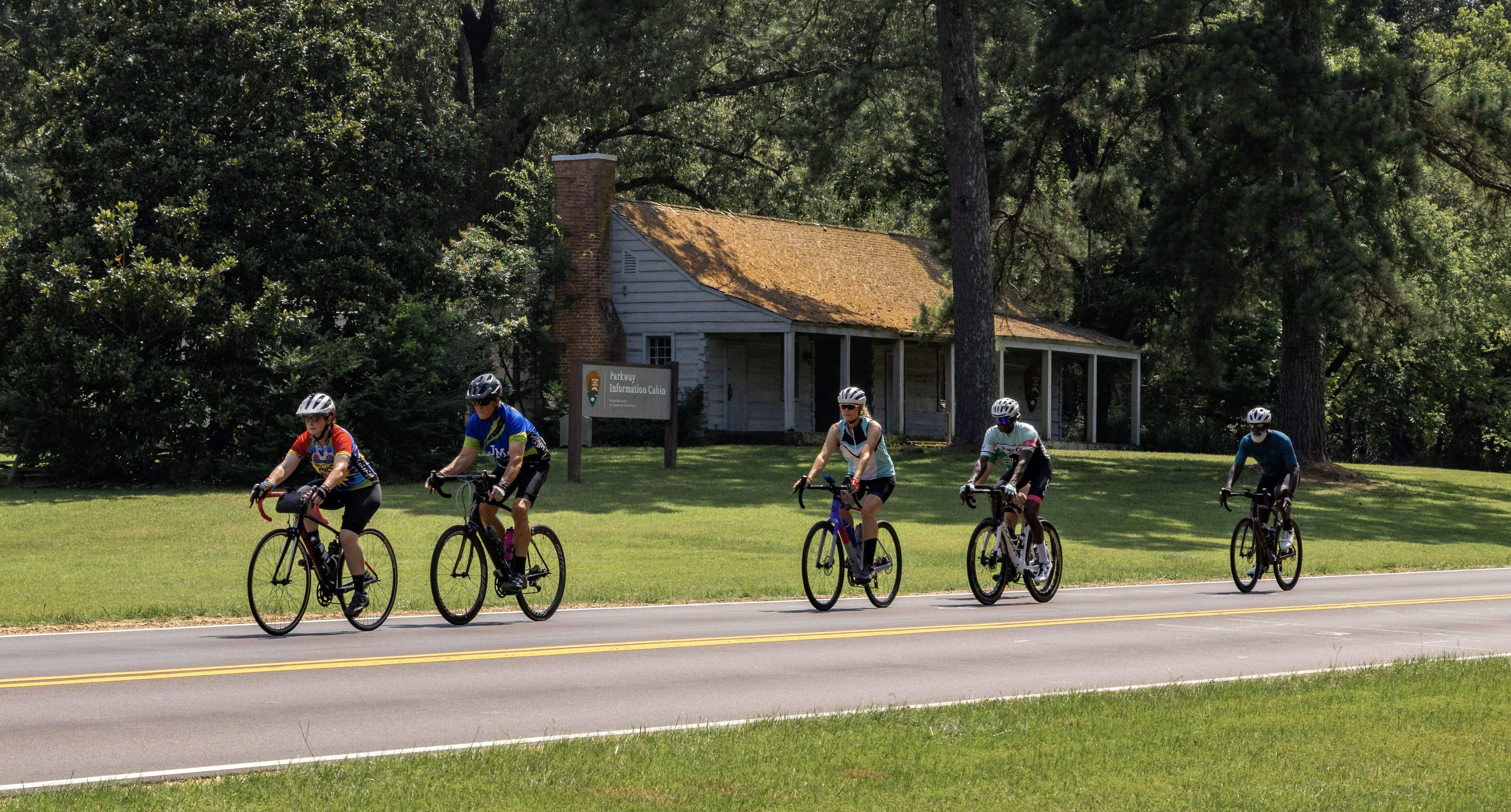
Today, you can still experience the legacy of Brashears Stand. In 1938, the federal government began reestablishing the route as a National Park Service site. The modern Natchez Trace Parkway now passes directly through Ridgeland.
While the original buildings are gone, you can visit the site at Milepost 104.5. It serves as a trailhead for the Chisha Foka Multi-Use Trail. A boardwalk also connects this historic spot to the Bill Waller Craft Center.
The most powerful link to the past is Old Agency Road. Its sunken roadbed and high earthen banks provide a physical experience of what early travelers like Andrew Jackson would have seen. It is a living monument to the transition from a wilderness foot path to a modern city.
From Frontier to the Future
The evolution of Brashears Stand into Ridgeland is a story of layers. It began as an ancient path for indigenous people and became a busy station for frontier travelers. It saw national sovereignty and witnessed the pain of the slave trade. Today, it has transformed into a scenic corridor for you to explore.
We preserve the memory of Brashears Stand because it reminds us of Ridgeland’s origin as a gateway.
The hospitality offered long ago remains a trait of the community today. By walking the sunken paths ordriving the shaded curves of Old Agency Road, you can still feel the energy of history.
Planning a press or media visit?
View our history trail media kit for story angles, fun facts, ready-made hooks, and article topic considerations.

The Paths of Our History: Discovering Ridgeland, MS
Every city rests on a layered foundation. These layers are shaped by the people who came before and the ancient paths that first marked the land. In Ridgeland, Mississippi, those…

Explore Ridgeland’s History: Must-See Spots on Ridgeland’s History Trail
Did you know Ridgeland's vibrant community is rooted in a fascinating history? Now, you can explore it all on foot or bike with the new Ridgeland History Trail!

Reservoir History and Recreation in Ridgeland
Imagine the sun dipping low over 33,000 acres of shimmering water as a warm breeze carries the scent of the pine forest. Whether you are gliding through the glass-like surface…