


The Paths of Our History: Discovering Ridgeland, MS
Every city rests on a layered foundation. These layers are shaped by the people who came before and the ancient paths that first marked the land. In Ridgeland, Mississippi, those layers go back thousands of years. To walk the streets of this modern community is to retrace the steps of nomadic hunters, frontier traders, and early pioneers. A new film, Ridgeland’s Foundation, explores this convergence of narratives. It shows how the city functions as a key vertebra on the spine of Mississippi. This serves as your guide to the landmarks and legends that define our home.
The Silent Markers of Ancient Roots
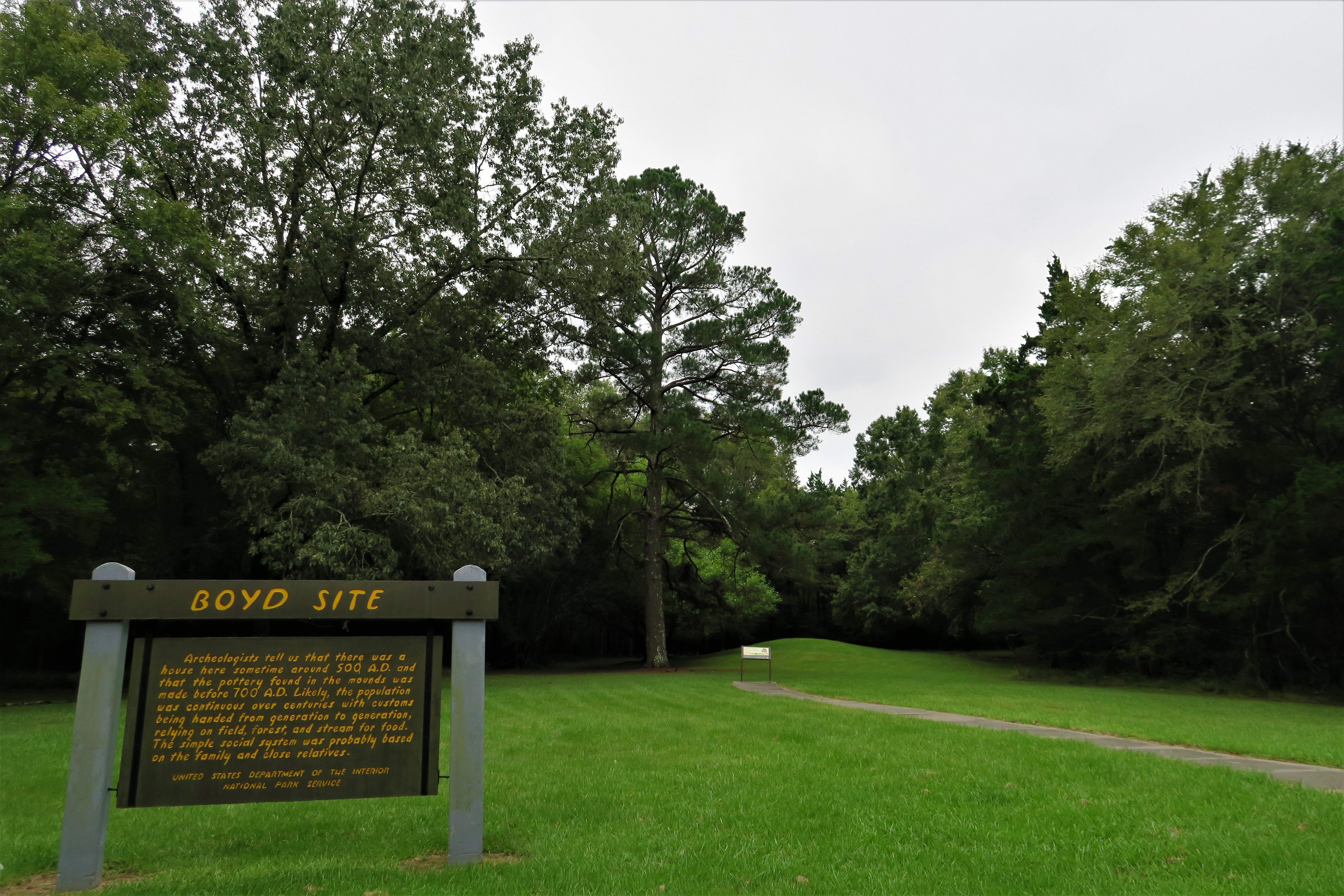
Your journey into the history of Ridgeland begins with the soil. Long before the first brick was laid, Native American mounds known as the Boyd Mounds stood as markers of a complex society. You can visit these earthworks today and stand before structures that date back over a thousand years. They represent the spiritual and social lives of the indigenous people who mastered this landscape. The Choctaw Indians were the primary inhabitants of this region for centuries. They understood the rhythm of the Jackson Prairie and used these grasslands for hunting and travel. As you explore, remember that the ancient trails they carved through the wilderness became the foundation for the Natchez Trace. This 444-mile corridor began as animal tracks and evolved into one of the most important roads in North America.
The Embassy in the Woods
In the early 19th century, Ridgeland was a vital center for national politics. From 1811 to 1823, the site of the Choctaw Agency functioned as a high-stakes embassy. Silas Dinsmoor operated this federal office within the sovereign Choctaw Nation. The Agency was a place of diplomacy and change. It was here that the United States government worked to transition the Choctaw Indians toward a farming lifestyle. The Choctaw Agency also witnessed a legendary battle of wills between Dinsmoor and Andrew Jackson. Their conflict over travel passports on the Natchez Trace highlights the tension of the early American frontier. Today, you can explore this site and see the archaeological evidence of the agency buildings. The nearby Old Agency Road remains a Mississippi Landmark. Walking this road provides a sensory bridge to a time when this location was a gateway between nations.
A Frontier Welcome on the Old Trace
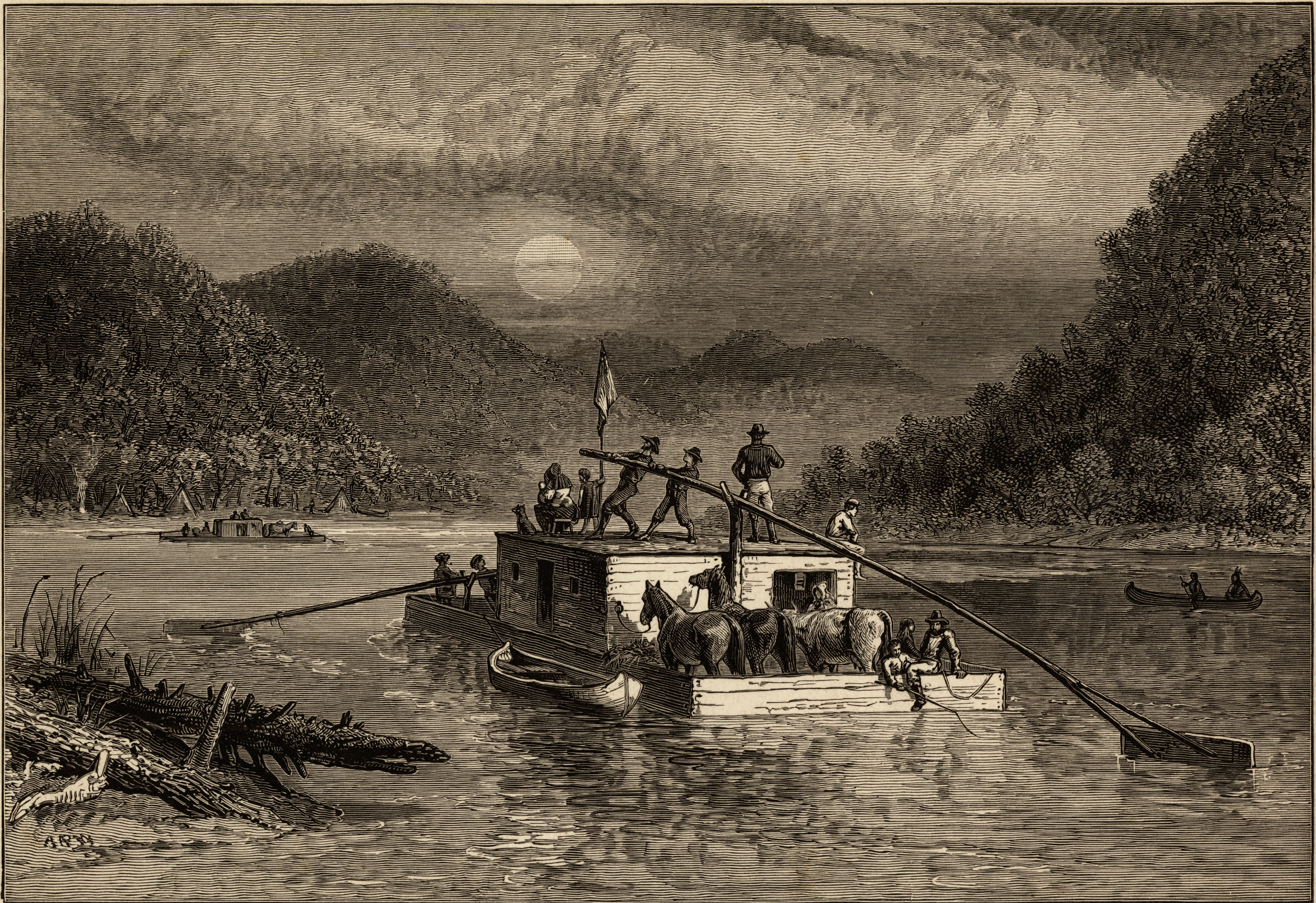
As more people traveled the Natchez Trace, the need for “stands” or frontier inns, grew. You can find the site of one of the most significant stops at Brashears Stand. Robert Turner Brashears opened this house of entertainment in 1806 to offer basic provisions to weary travelers. The primary customers here were the Kaintucks. These were boatmen who floated goods down the Mississippi River and returned north on foot. For these men, the Stand was a beacon of safety in a dangerous wilderness. You can visit Milepost 104.5 today to stand on the same ground where the Kaintucks once rested their heavy packs. The Old Trace section at Brashears Stand is a physical remnant of the grit required to build a nation.
The Acceleration of Industry and Transportation
The mid-19th century brought a radical shift in the pace of life. The arrival of the railroad turned Ridgeland from a frontier outpost into a center for trade. You can still feel the pulse of this history in the layout of the city. This industrial energy fueled the growth of the community and established its economic roots. As the 20th century dawned, the focus shifted to the roads. Highway 51 became the primary path for the region. It carried a new generation of travelers through the heart of the city. The era of the automobile allowed for the development of the neighborhoods and shopping centers you see today. Now, the intersecting roads of Highway 51 and the Natchez Trace Parkway show two different ways to move through the land. One offers speed and efficiency, while the other offers a curved journey through a scenic forest.
Honoring the Human Legacy
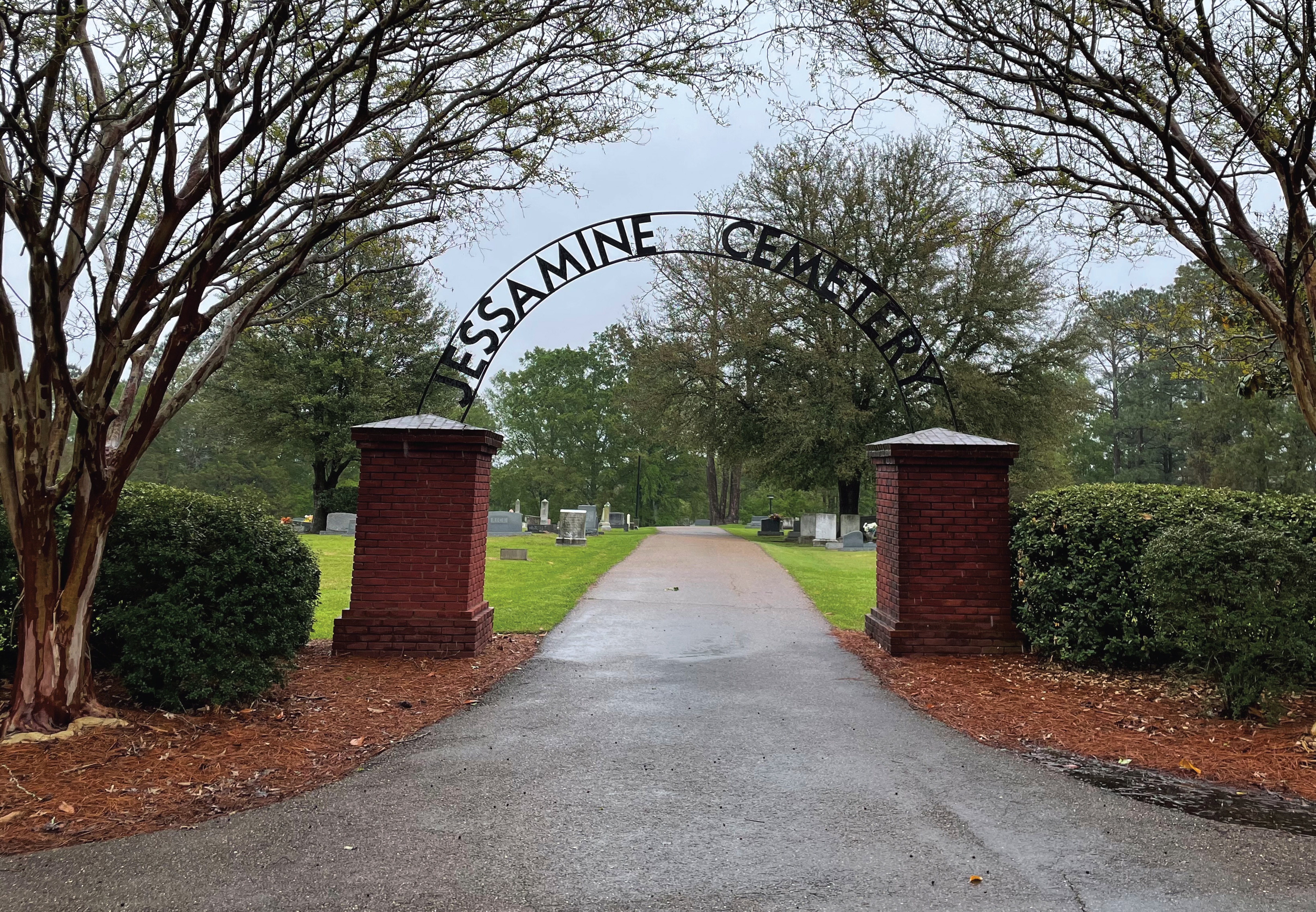
The strength of Ridgeland has always been its people. You can find our city’s history preserved in quiet places like the Jessamine Cemetery. This historical cemetery is the final resting place for the pioneers and families who invested their lives into the local soil. The headstones tell stories of endurance and community building. You can also find this legacy at the Simon Hill Missionary Baptist Church. This institution has been a cornerstone for the African American community for generations. It represents the spiritual continuity that has sustained Ridgeland through years of change. The labor of first families like the Carrs transformed the wilderness into the productive farms and social spaces we enjoy today.
The Ross Barnett Reservoir
In the 1960s, Ridgeland underwent another massive transformation. The construction of the Barnett Reservoir created a 33,000-acre marvel for you to explore. While it was built for water supply, it has become much more. The Reservoir serves as the city’s lungs. It is a place designed for escape, play, and connection. The “Rez” provides a home for professional anglers, weekend paddlers, and cyclists. It is a world-class recreational hub. Whether you are boating on the water or cycling along the 10-mile Chisha Foka trail, you are participating in a tradition of movement that goes back thousands of years. The reservoir is a testament to our ability to build modern marvels that enhance our natural beauty.
The Artistic Heart of the Community
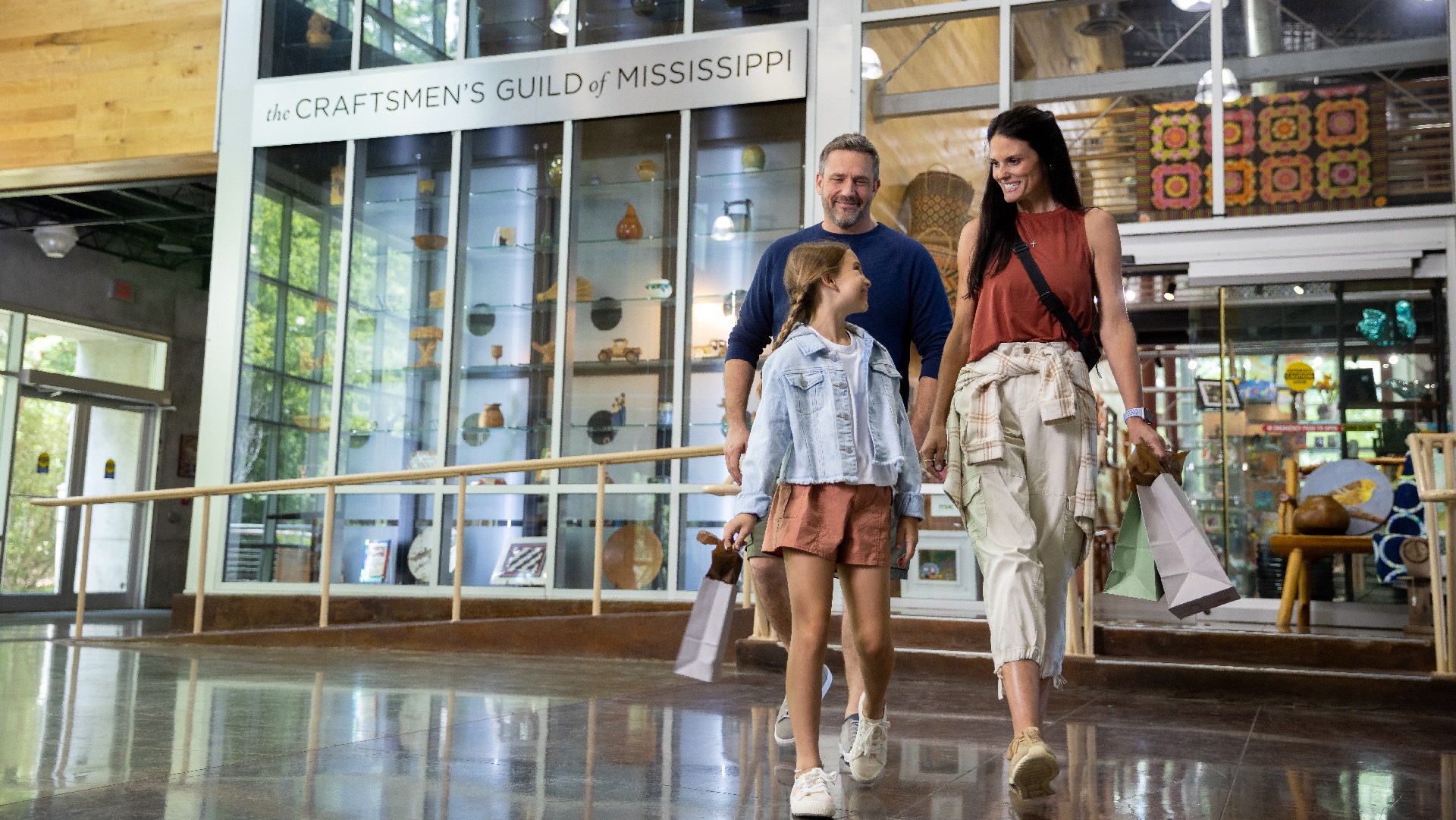
Ridgeland remembers its history by actively practicing it. You can visit the Mississippi Craft Center right off the Natchez Trace to see the work of over 400 artisans. This center preserves human skill and creativity. It celebrates the physical labor of craftsmen who continue the traditions of their ancestors. From the Ridgeland Pecan Festival to the Township Jazz Festival, the community celebrates its spirit through action. These events connect the people of the city to each other and their shared heritage. Ridgeland values the hand-crafted and the authentic. Our culture is a living entity that we shape every day.
Retracing the Paths
Ridgeland is a city defined by its connections. You participate in a 12,000-year-old tradition of movement whether you explore the Native American mounds, visit the site of the Choctaw Agency, or drive the length of Highway 51. We are a destination built upon a permanent gateway. The community continues to welcome travelers with the same spirit that once existed at the stands on the Old Trace. The new film, “Ridgeland’s Foundation,” brings these stories to life. It shows how the past provides the momentum for our current prosperity. We invite you to watch the film and then come experience these paths for yourself. Walk the sunken roadbeds of the Old Trace. Reflect at a historical cemetery. Enjoy the sunset over the Barnett Reservoir. The paths of our history guide us to our future.
Planning a press or media visit?
View our history trail media kit for story angles, fun facts, ready-made hooks, and article topic considerations.

Explore Ridgeland’s History: Must-See Spots on Ridgeland’s History Trail
Did you know Ridgeland's vibrant community is rooted in a fascinating history? Now, you can explore it all on foot or bike with the new Ridgeland History Trail!

Reservoir History and Recreation in Ridgeland
Imagine the sun dipping low over 33,000 acres of shimmering water as a warm breeze carries the scent of the pine forest. Whether you are gliding through the glass-like surface…