


The Embassy in the Woods: Power and Sovereignty
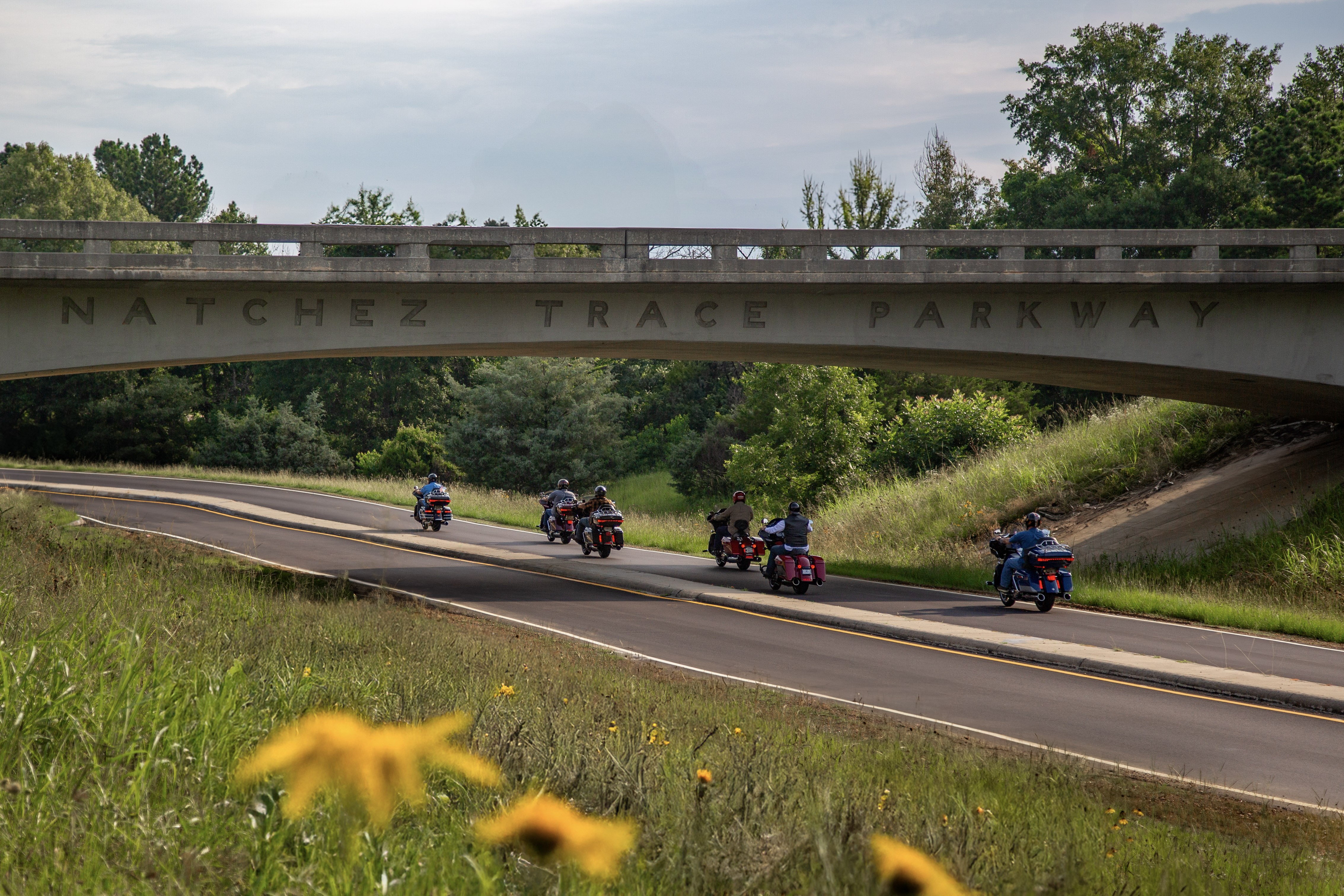
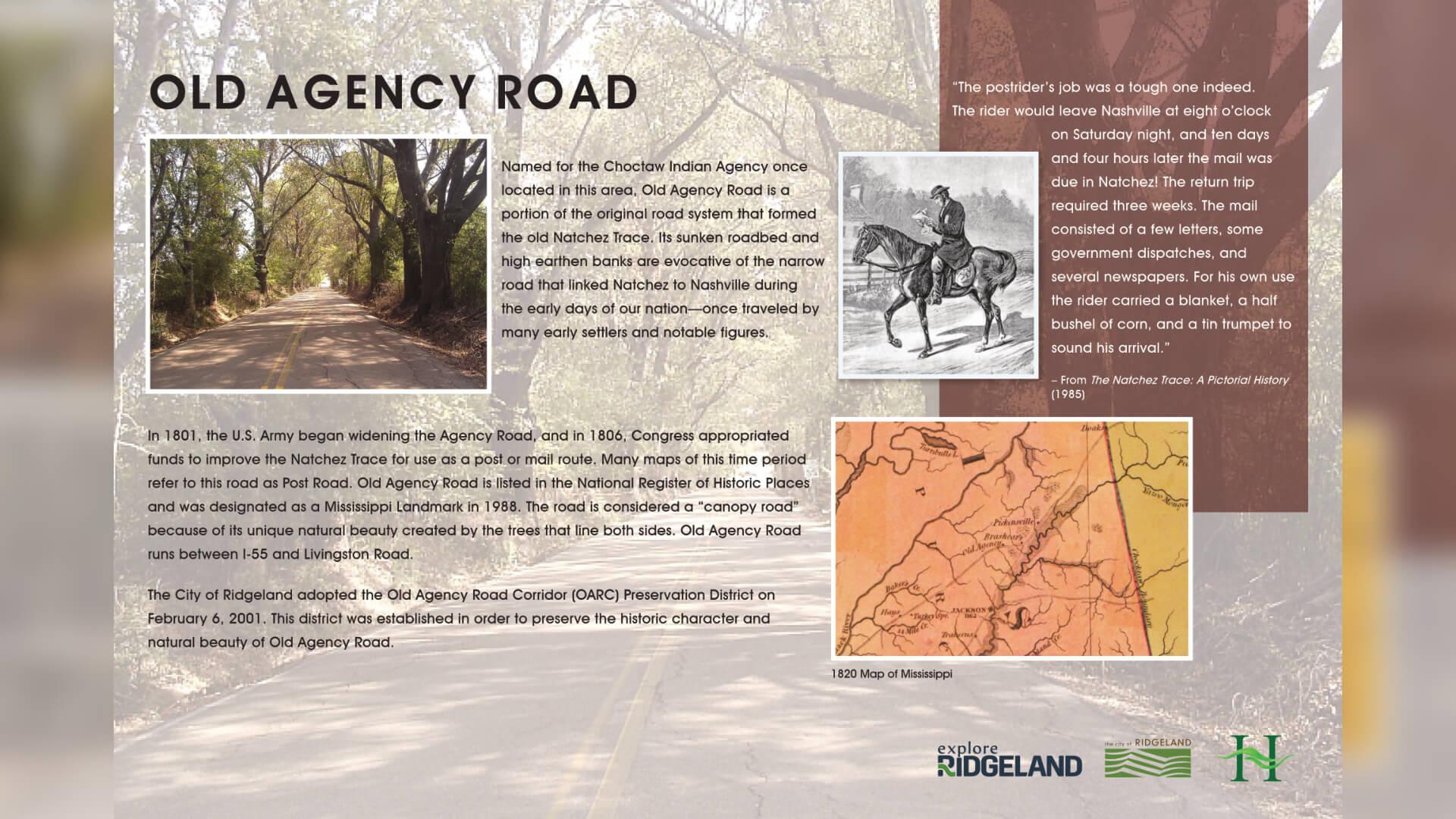
If you explore Ridgeland, Mississippi, today, you will find yourself drawn to Old Agency Road. As you step onto this historic stretch near the Natchez Trace Parkway, the modern world quickly fades. The air feels cooler beneath a lush tree canopy that creates a cathedral of green over the path. You are walking within a sunken roadbed where high earthen banks rise on either side. These banks were worn down by the feet and wagons of thousands who passed this way long ago. While modern vehicles are prohibited, the path welcomes those on foot to experience its hauntingly beautiful atmosphere. This road is a physical remnant of a time when this exact spot was a vital center for national and tribal politics. From 1811 to 1823, this site housed the Choctaw Agency. This federal office acted as a vital embassy to the sovereign Choctaw Nation.
Ancient Roots
While the agency buildings represent a 19th-century chapter, the heritage of this land begins much deeper in history. Long before European settlers arrived, the area now known as Ridgeland was a center of indigenous life. You can still visit the Boyd Mounds a short distance from the agency site. These earthworks stand as silent witnesses to a culture that thrived here over a thousand years ago. They are visible reminders of a society with complex social and spiritual structures.
For thousands of years, Native peoples carved the original Trace out of the dense wilderness. It was their footsteps that first packed down the earth to create the trail that eventually became a national parkway. When Silas Dinsmoor established the agency here in 1811, he was positioning himself at a crossroads already ancient by the time of the American Revolution.
Ambassadors in the Wilderness
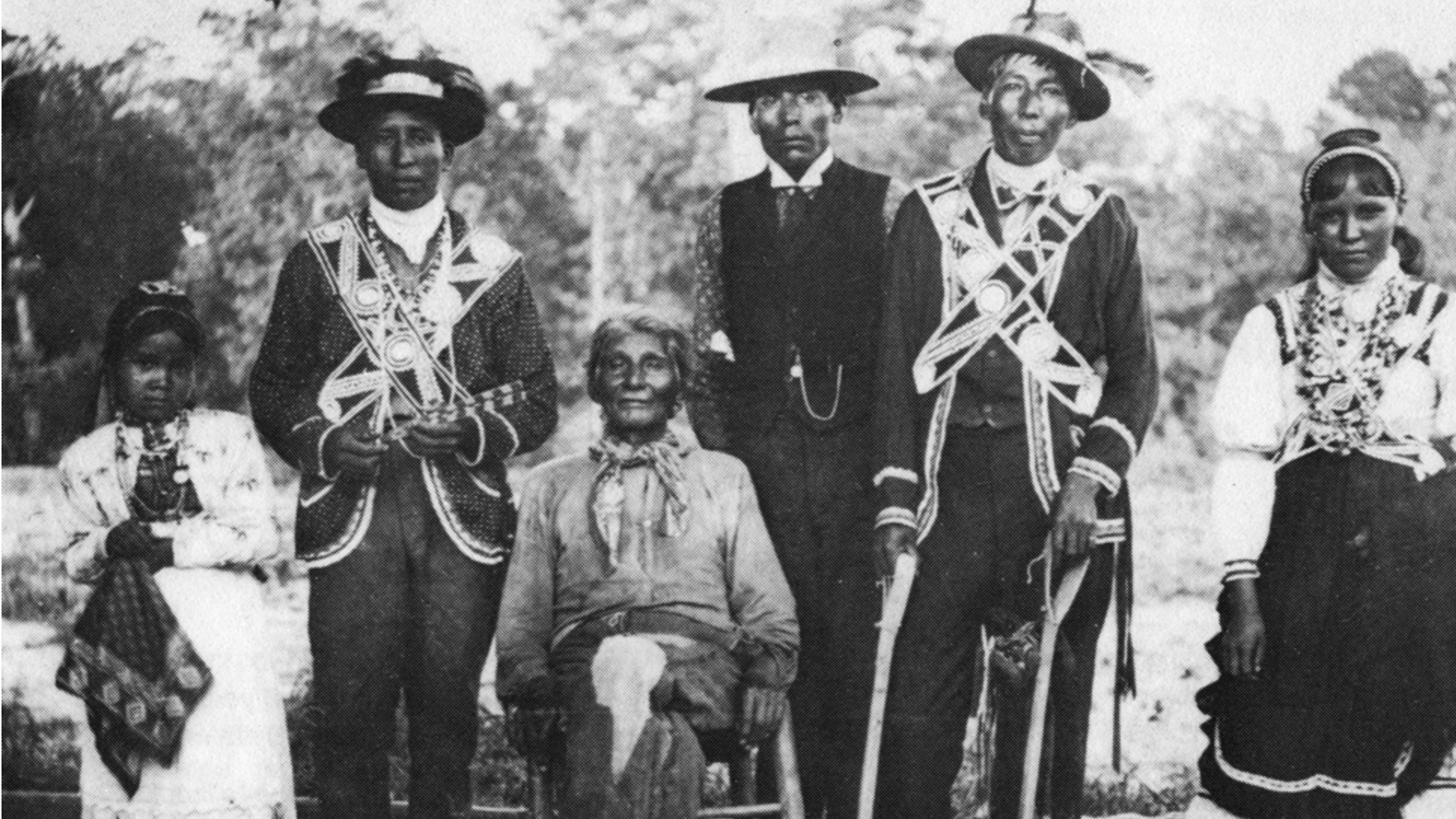
To understand why the Choctaw Agency carried such weight, we must look at the role of the Indian agent. In the early 1800s, these men functioned as primary ambassadors. They lived in agency houses that served as lonely outposts of federal authority in the wild. They operated under a government policy known as the Plan of Civilization. This policy was intended to encourage Native American tribes to adopt European-style farming and domestic skills. The government promoted spinning, weaving, and intensive farming to change the traditional ways of indigenous life.
The agency operated as a busy hub of activity. Here, the U.S. government implemented its evolving Indian policy. The agent had several key roles. He protected Indian land rights against illegal intruders. He regulated trade through a system of licensed merchants. He also promoted European-style education and treated the Choctaw Nation as a foreign power. These goals were part of a long-term strategy for cultural absorption.
Silas Dinsmoor and the Move to Ridgeland
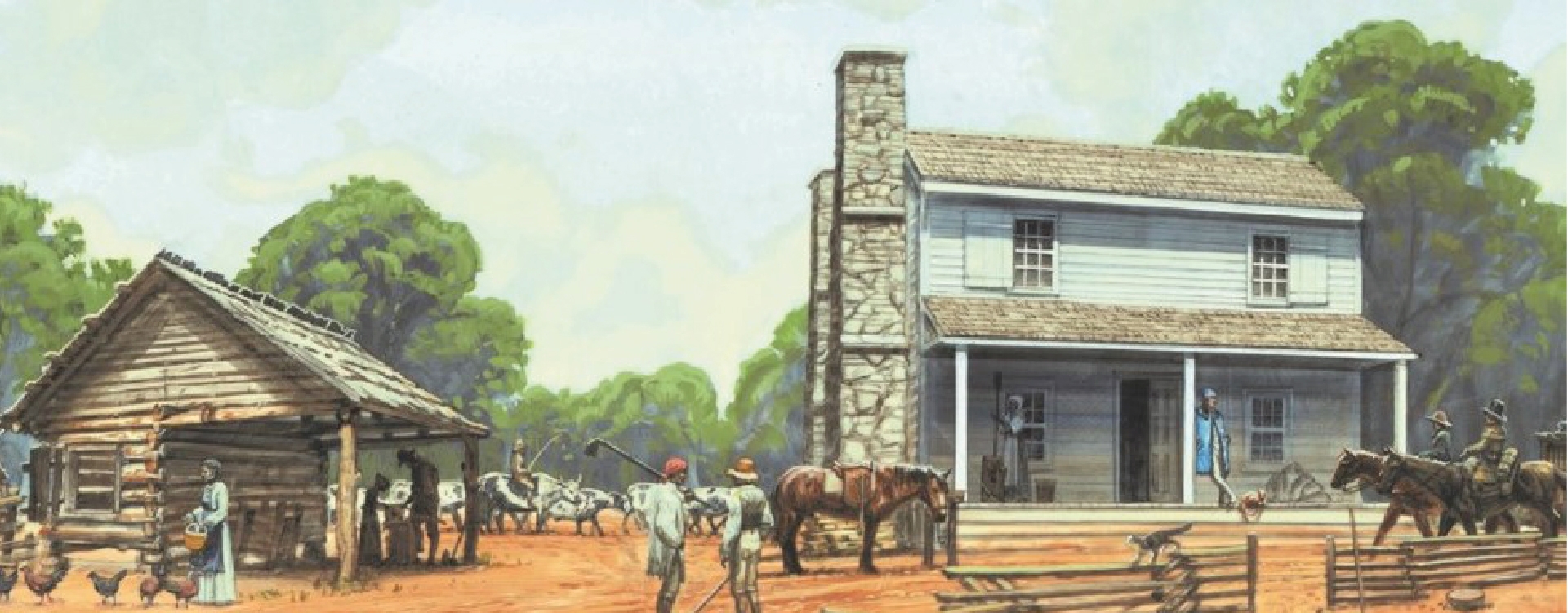
The Choctaw Agency occupied four different locations over the years. The site near present-day Ridgeland remains the most famous. In 1811, the acting Choctaw agent, Silas Dinsmoor, relocated the operations to this spot. Dinsmoor was a complicated and often difficult individual. He was a graduate of Dartmouth College and a former teacher with a scholarly mind. He filled journals with Indian traditions and historical sketches. However, he also used his authority with a very heavy hand.
Dinsmoor’s decision to move the agency to the Natchez Trace site was based on practicality. The move placed the agency near his own 120-acre plantation. The location also sat only four miles from Turner Brashears’ stand. Brashears was a vital interpreter who offered travelers food and a blacksmith shop. By anchoring the agency here, Dinsmoor seized control of the Natchez Trace wagon highway. This path was the most critical road for travel and commerce in the Old Southwest.
A Battle of Wills
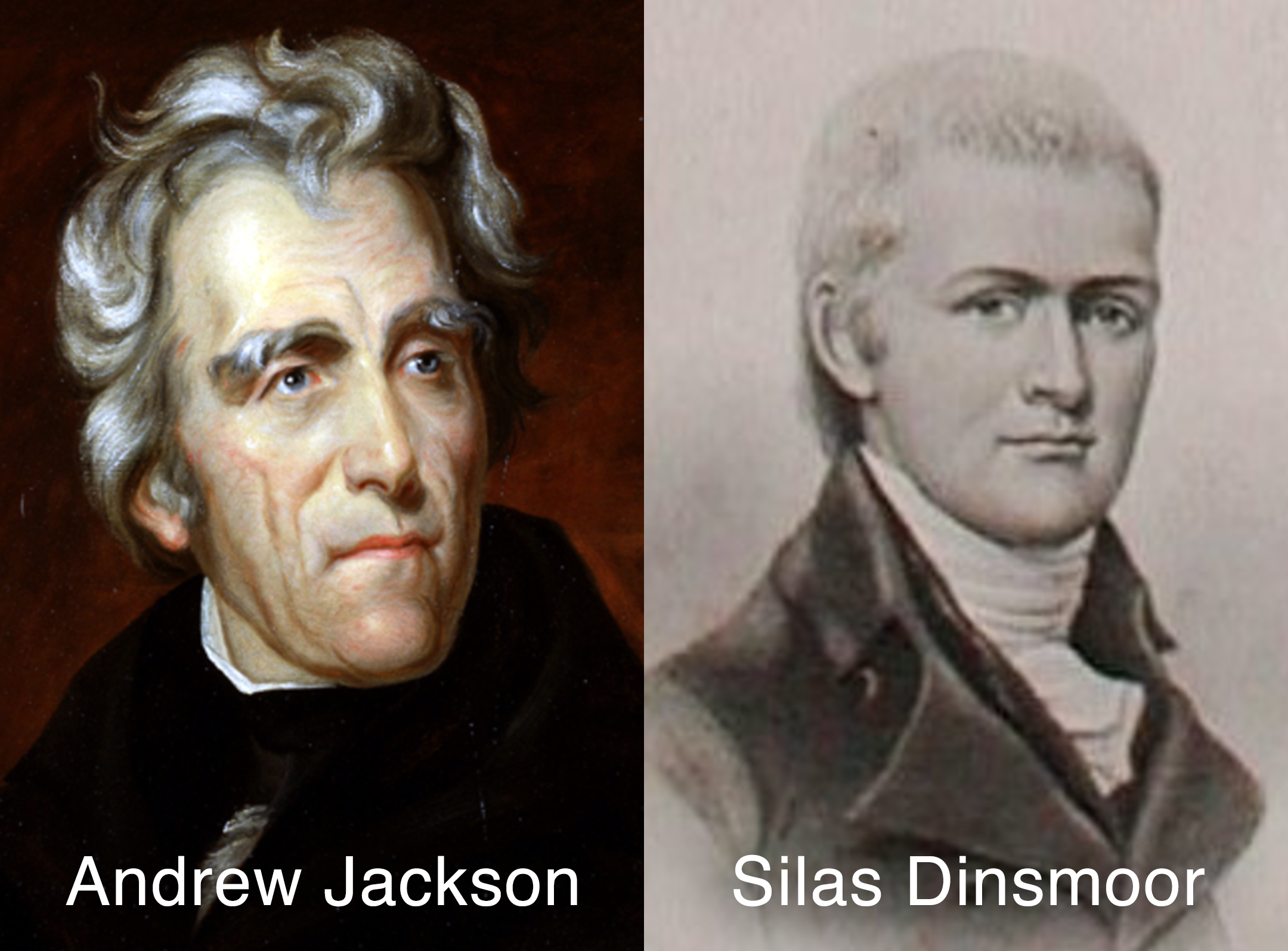
The Choctaw Agency in Ridgeland hosted a famous confrontation that revealed the deep tensions of the American frontier. This was the battle of wills between Andrew Jackson and Silas Dinsmoor. The conflict centered on a single requirement. Because the U.S. government recognized the Choctaw Nation as a sovereign power, treaties required every traveler to enter the Trace with a federal passport.
Most agents ignored this rule to avoid the anger of frontiersmen. Dinsmoor enforced it strictly. He claimed his goal was to prevent outlaws from trafficking stolen slaves along the road. Andrew Jackson viewed this as a direct assault on his status as a free American. When Dinsmoor demanded to see his papers, Jackson provided a verbal challenge instead.
Jackson famously declared that his rights under the Constitution were a sufficient passport to take him wherever his business led. He did not stop at defiance. Jackson accused Dinsmoor of using the passport rule for personal profit. He alleged that the agent detained travelers and forced them to work on his plantation fences as a form of payment for their stay.
The Armed Standoff of 1812
In early 1812, the tension reached a breaking point. Jackson prepared to transport a group of people north to Nashville. He received word that Dinsmoor had recruited settlers and one hundred Choctaw warriors to stop him at the agency. Jackson did not flinch. He armed his party and sent word that he would burn Dinsmoor’s inn to the ground if anyone challenged his passage.
The expected fight never happened. When Jackson’s party reached the agency, Dinsmoor remained hidden. Instead of attacking, the Choctaw reportedly rushed out to welcome Jackson. The Old Hickory legend grew that day, but the rivalry remained personal. Jackson spent the next two years working behind the scenes. In 1814, he successfully removed Dinsmoor from office. Dinsmoor eventually died in poverty.

The Plan of Civilization in Action
Despite the drama, daily life at the agency focused on the work of the Plan of Civilization. Dinsmoor transformed the Ridgeland site into a center for industrial instruction. He employed blacksmiths, weavers, and carpenters to teach the Choctaw these domestic arts.
The agency was home to a massive blacksmith shop. Here, the strike of hammers against glowing iron provided a constant rhythm to life on the Trace. Blacksmiths labored to forge the tools required to change the traditional Choctaw lifestyle. They created axes for clearing forests and iron-tipped plows for tilling the soil. These tools represented a fundamental shift from communal hunting grounds to individual plots of farmland.
Records show a major transformation in motion. By 1809, Dinsmoor reported with satisfaction that the women of the nation excelled at spinning. The hum of the spinning wheel became as common as the sound of the wind through the trees. Cotton grown in Choctaw fields moved through the agency looms. This turned raw fiber into fabric and changed the tribal economy. The agency also housed a post office, which helped people communicate across the frontier until 1907.
The Agency's Shadow
We must acknowledge the role this agency played in the eventual removal of the Choctaw. The Plan of Civilization acted as a double-edged sword. While it brought new technology, it also served as a tool to make the Choctaw more governable by the United States. The treaties signed at the agency and later locations paved the way for the devastating Trail of Tears. This site represents a place where sovereignty was both acknowledged and systematically undermined. The very tools and skills taught at the agency were often used as leverage during land negotiations.

Archaeological Legacy and Modern Preservation
The Choctaw Agency site earned its place on the National Register of Historic Places in 1995. Today, the area encompasses a 3.3-mile segment of the Old Natchez Trace. Archaeological teams have uncovered cellar pits and drainage systems. These are the literal bones of the house where Dinsmoor and Jackson squared off. The presence of these artifacts proves that the agency was a sophisticated operation for its time. It featured brick-lined cellars and organized buildings that stood in contrast to the surrounding wilderness.
For the modern visitor, Old Agency Road remains the most evocative connection to this era. Designated as a Mississippi Landmark, the road preserves the physical environment of the 1800s. The deep, shaded banks offer a bridge to the past. This road reminds every visitor that Ridgeland once stood as a gateway between nations.
From the Ancient Soil to the Modern City
The buildings of the Choctaw Agency have long since vanished into the earth, but their influence remains the bedrock of Ridgeland. This site represents the foundational chapter of the city's story. It was here that commerce first met diplomacy and where the frontier began to take a permanent shape.
When you walk the Old Agency Road today, you aren't just retracing an old path. You are standing at the intersection where Ridgeland began its journey. We preserve these stories because they provide the momentum for our current prosperity. We learn from the scholars, the warriors, and the artisans who navigated this wilderness. Their struggles and their skills are woven into the fabric of Ridgeland’s modern neighborhoods.
Planning a press or media visit?
View our history trail media kit for story angles, fun facts, ready-made hooks, and article topic considerations.

The Paths of Our History: Discovering Ridgeland, MS
Every city rests on a layered foundation. These layers are shaped by the people who came before and the ancient paths that first marked the land. In Ridgeland, Mississippi, those…

Explore Ridgeland’s History: Must-See Spots on Ridgeland’s History Trail
Did you know Ridgeland's vibrant community is rooted in a fascinating history? Now, you can explore it all on foot or bike with the new Ridgeland History Trail!

Reservoir History and Recreation in Ridgeland
Imagine the sun dipping low over 33,000 acres of shimmering water as a warm breeze carries the scent of the pine forest. Whether you are gliding through the glass-like surface…