
From Choctaw Trails to Cycling Trails
You can feel the history in the very ground beneath your feet. The road is sunken and hugged by high earthen banks that were worn down by centuries of travelers. Sunlight filters through a thick canopy of oaks and pines, creating a quiet tunnel that feels like a secret doorway to the past. This isn't just a walking trail; it is a physical piece of a 12,000-year-old story of movement. While Ridgeland is often celebrated for its polished shopping and southern charm, its true heart is found in these ancient crossroads where footpaths evolved into scenic parkways.
An Ancient Path
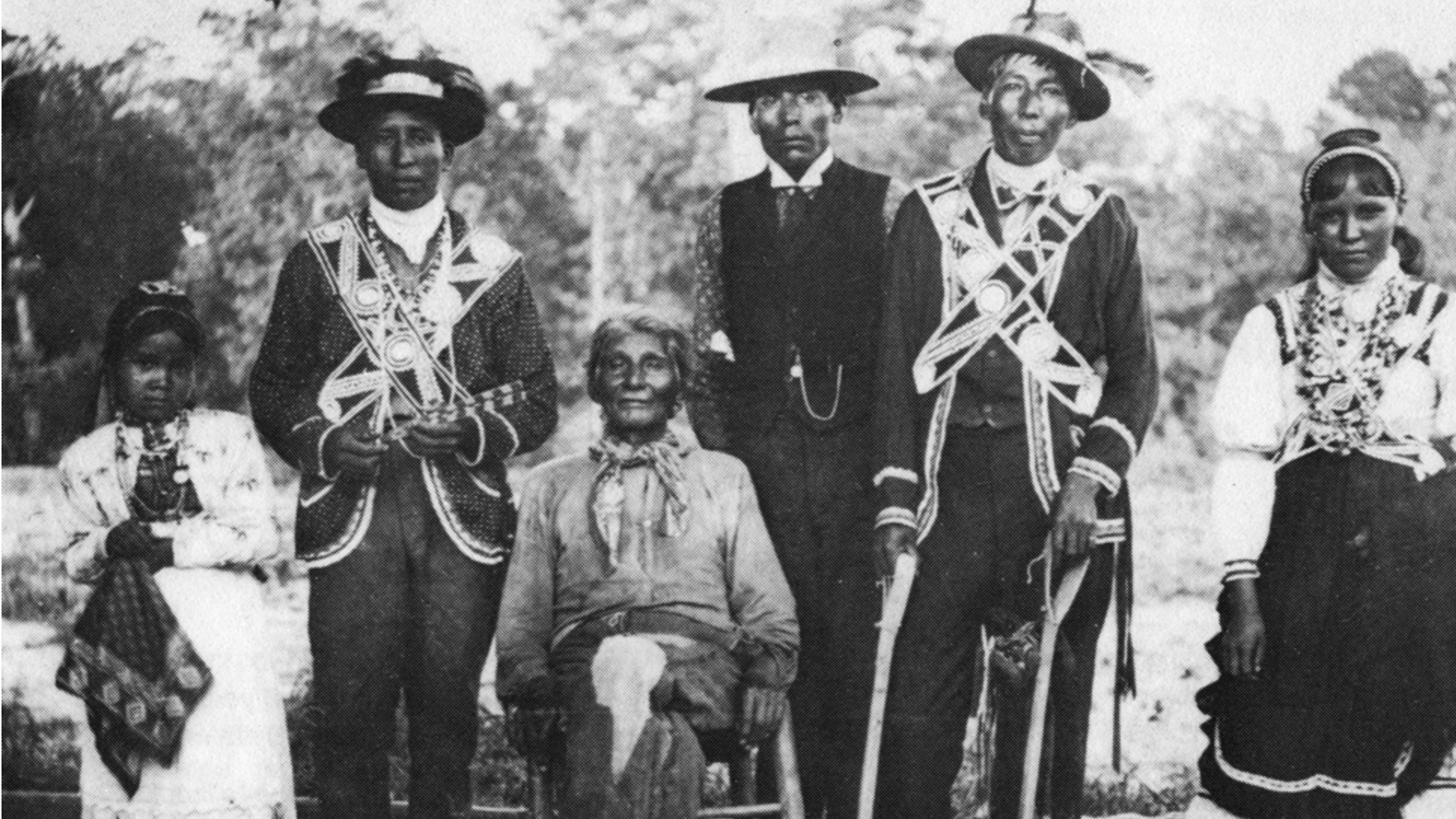
The story of travel here begins long before the first bricks were laid. For thousands of years, Native Americans lived on this land and used the vast grasslands for hunting. By the late 1700s, the Natchez Trace emerged as a vital 444-mile trade route connecting Natchez to Nashville.
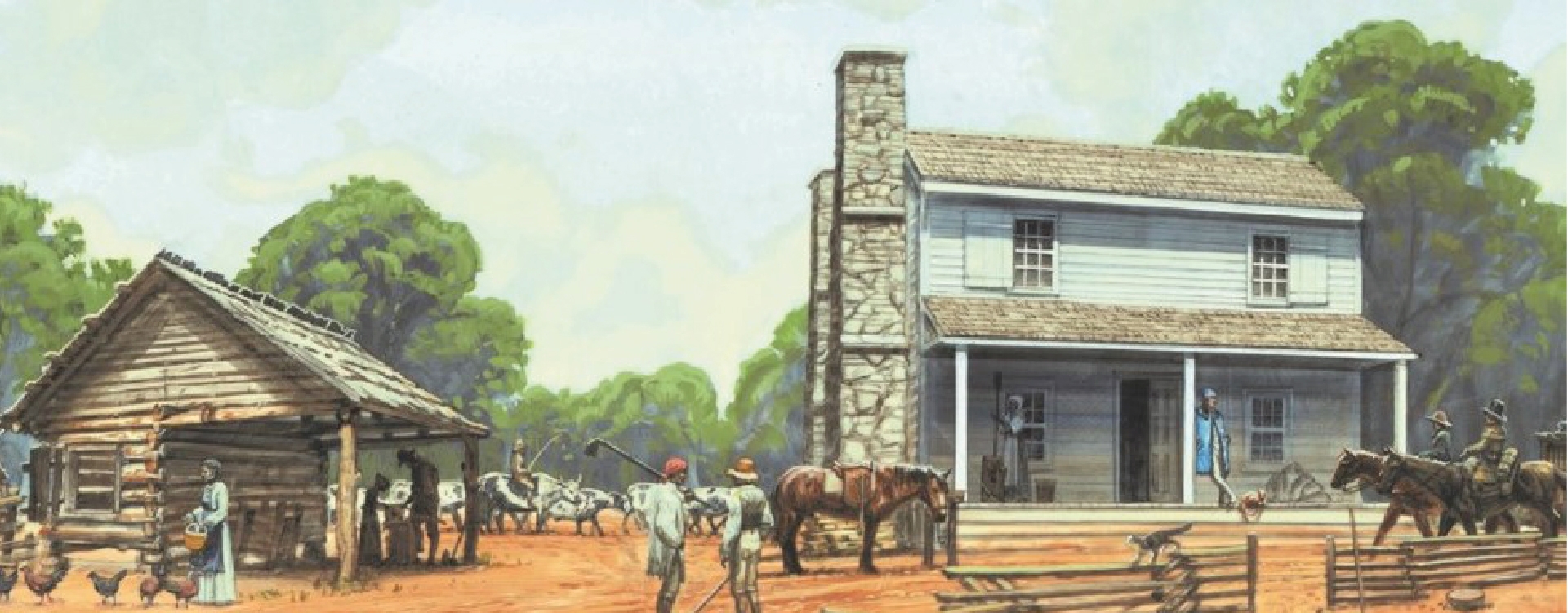
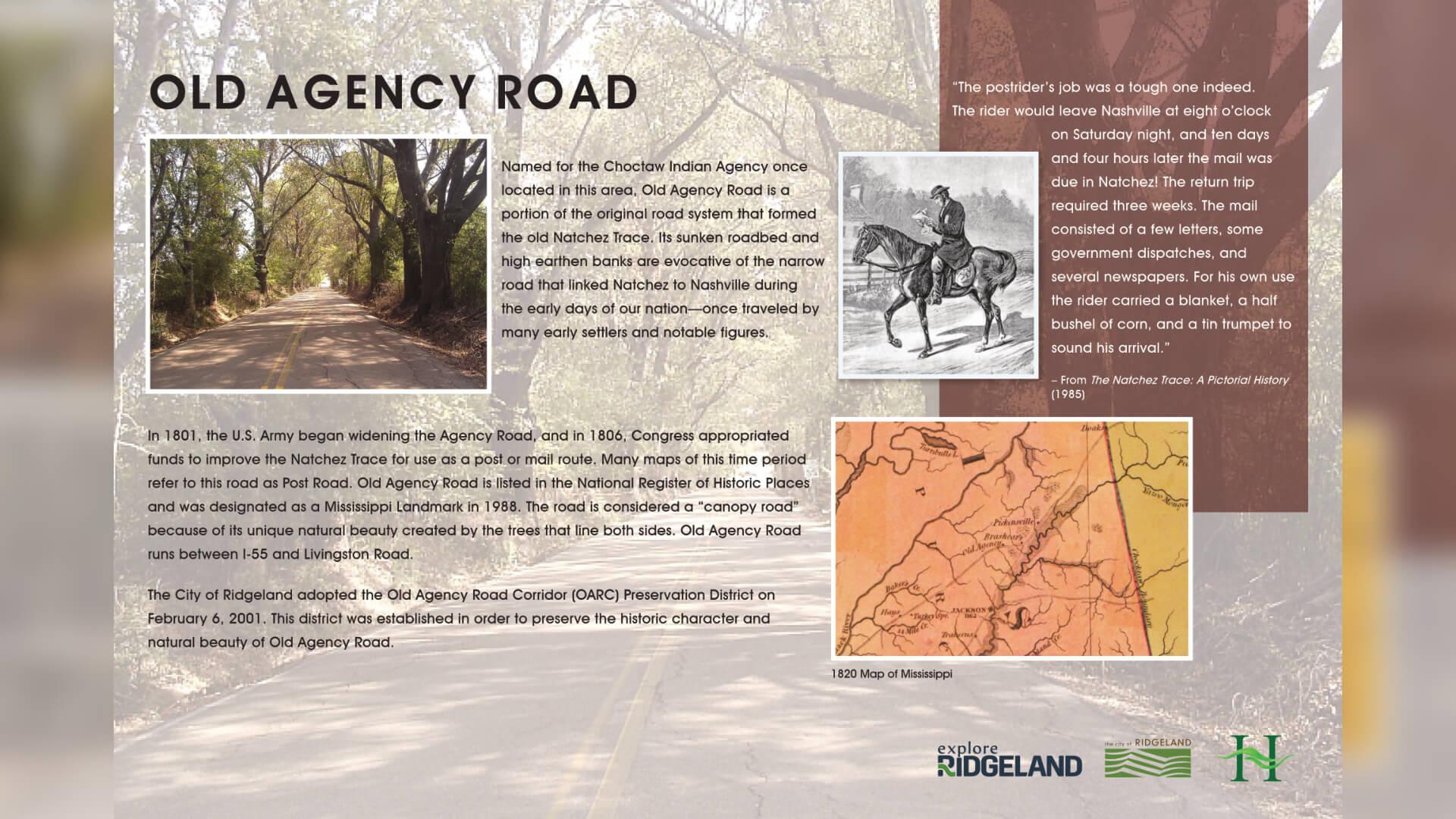
In 1811, Silas Dinsmoor, a federal agent, moved the Choctaw Agency to a spot within modern-day Ridgeland. You can still visit this area, which includes a 3.3-mile segment of the original Trace. Back then, travel was a grueling test of endurance. Travelers relied on “stands,” or early rest stops, for a bit of food and a place to sleep. One of the most famous was Brashears Stand. Later known as the King’s Inn, this site even served as a military headquarters during the Civil War. Though the inn is gone, its legacy lives on in Ridgeland’s identity as a welcoming place for those on a journey.
The Railroad and the Birth of a Village
If the Trace provided the foundation, the railroad turned Ridgeland into a bustling hub. In the mid-1800s, the settlement was a small stop called Yellowley’s Crossing. Everything changed in 1896 when developers from Chicago saw the potential in the fertile soil next to the tracks. They marketed the “Highland Colony” to Midwestern families, using the train as the ultimate selling point.
The iron horse revolutionized the local economy. For the first time, farmers could ship strawberries, peaches, and pecans as far away as Chicago. By 1901, the Ridgeland Wagon Works was building the carriages and equipment needed for this booming trade. The village was literally built around the train depot. You can still see how the tracks dictated the geography of the town, shaping where the first businesses grew and where neighborhoods formed.
The Age of the Automobile
As the 20th century progressed, the sound of steam whistles was replaced by the hum of rubber on pavement. In 1926, U.S. Highway 51 was established right through the heart of the city. It served as a major artery for north-south travel for decades.
The next big leap came in 1960 with the construction of Interstate 55. This project turned Ridgeland into a prime location for families and fueled rapid population growth. While the interstate moved people with high-speed efficiency, the creation of the Natchez Trace Parkway offered a different way to travel.
The Parkway is a masterpiece of intentional design. When you drive it today, you won't see billboards or commercial trucks. The road curves gently to follow the contours of the land, providing a peaceful, sensory bridge to the past. It is an engineering marvel that pays homage to the Choctaw and the early pioneers who walked this same earth.
The Ross Barnett Reservoir
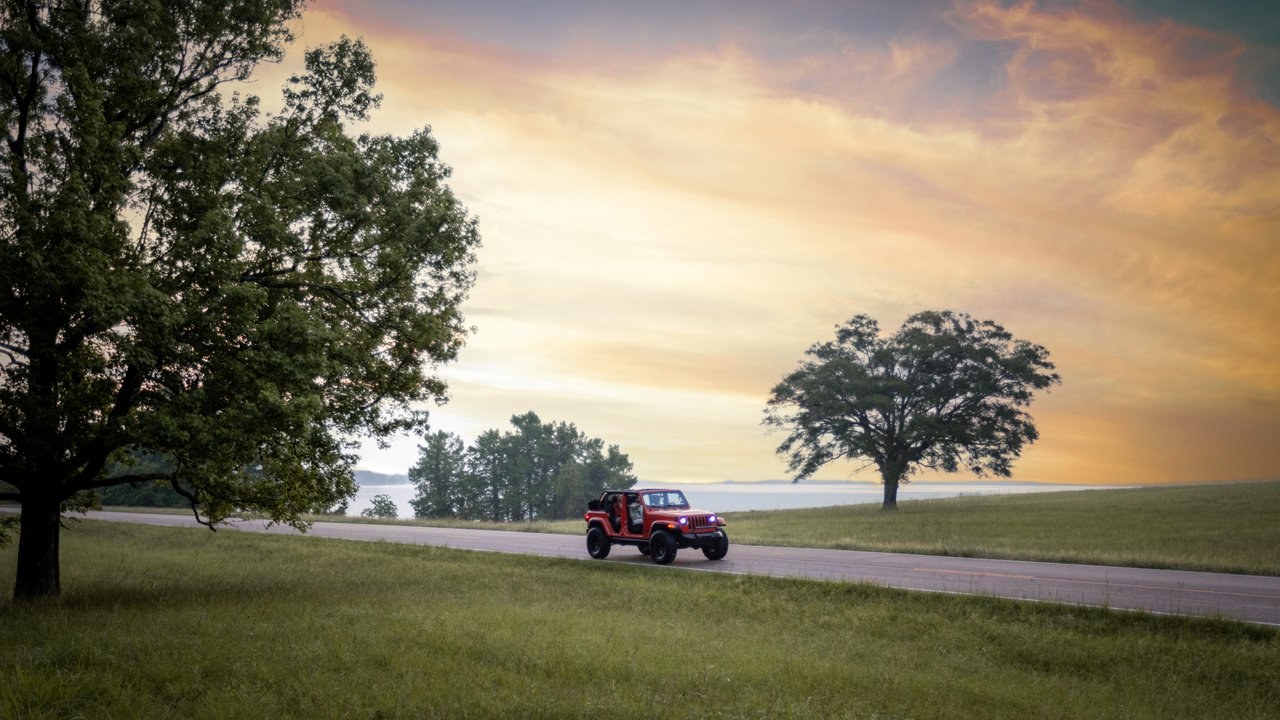
In Ridgeland, transportation is also about recreation. In 1962, the construction of the Ross Barnett Reservoir created a massive 33,000-acre playground. Today, you can explore 105 miles of shoreline by boat or kayak. While the “Rez” is a haven for water sports, its construction also unearthed a prehistoric surprise: the skeleton of a Basilosaurus, an ancient whale that lived 40 million years ago.
Two Wheels and a Vision
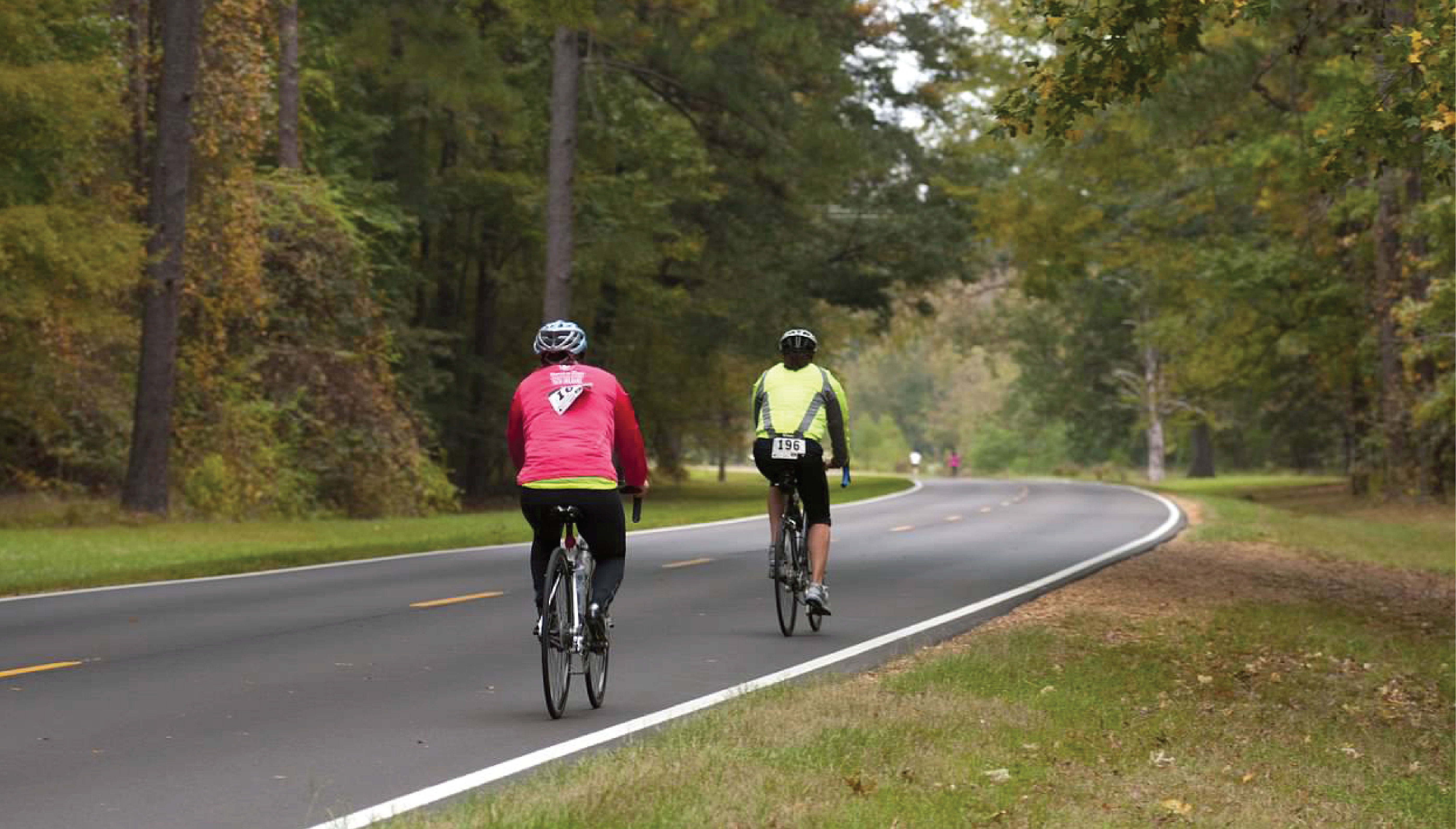
Perhaps the unique part of Ridgeland’s travel culture is the city's love for cycling. Under the leadership of Mayor Gene McGee—who rides thousands of miles every year—Ridgeland has become a premier destination for cyclists.
You can experience this for yourself on the Chisha Foka Multi-Use Trail. This paved path runs alongside the Natchez Trace Parkway, offering a safe and scenic way to explore the city on two wheels. Whether you are a casual rider or part of the annual OBO Tandem Rally, the trails allow you to see the landscape in away that a car simply can't match.
Experiencing History Today: The Ridgeland History Trail
For those who want to see this evolution firsthand, the Ridgeland History Trail offers a guided journey through time. You can explore 22 different markers on foot or by bike.
The trail begins at Ridgeland City Hall, where you can visit the History Room and grab a map.
Highlights include:
● Marker #2, Natchez Trace Parkway: A look at the famous 444-mile scenic byway.
● Marker #4, Ridgeland and the Railroad: The story of how the tracks drove early growth.
● Marker #10, Old Agency Road: A chance to walk on a Mississippi landmark and original piece of the Trace.
● Marker #21, Highways and Byways: How the modern road system expanded the city.
A Destination of Growth
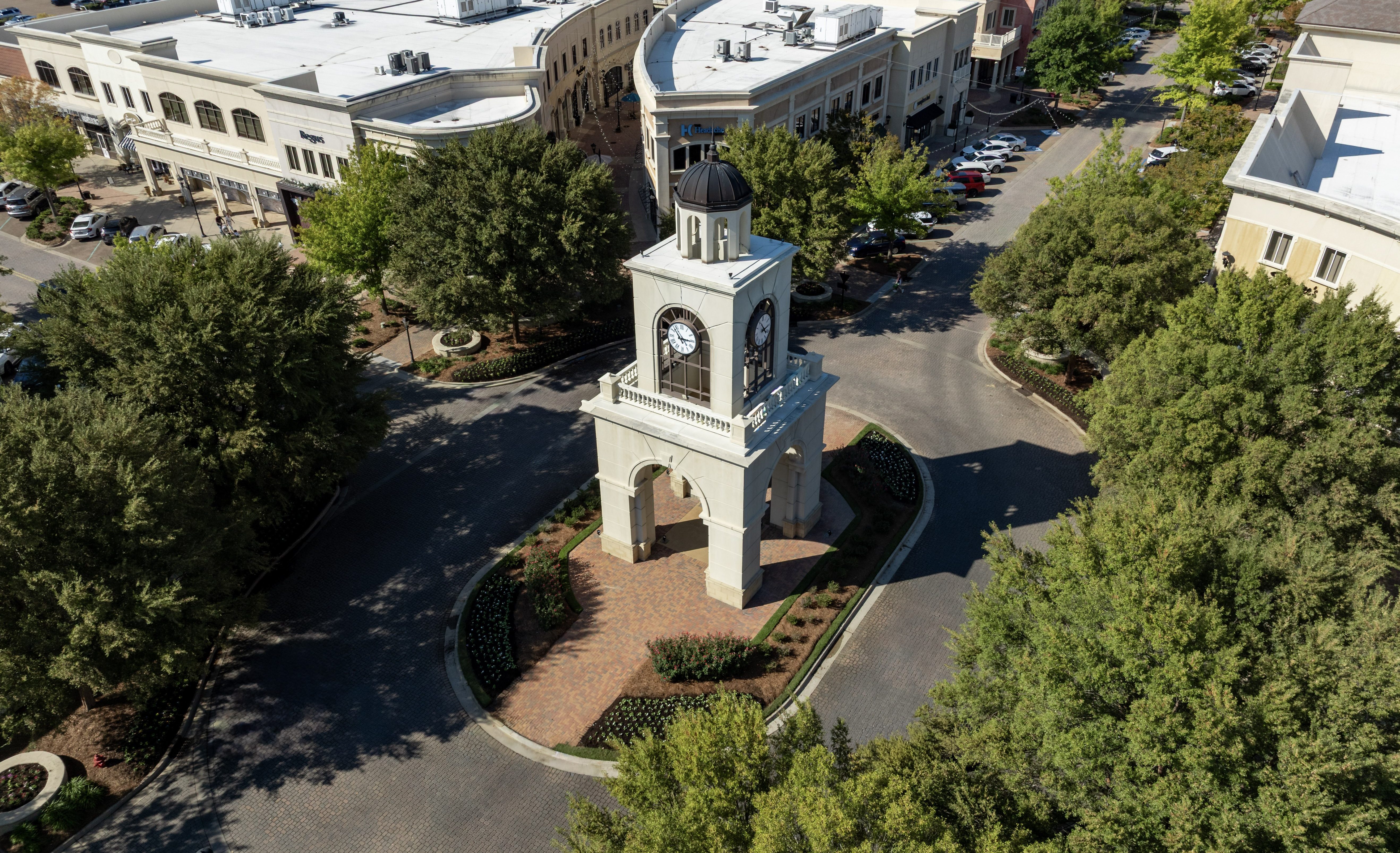
Travel in Ridgeland has always reflected its era. From the Choctaw Agency managing frontier affairs to the modern developers building upscale centers like Renaissance at Colony Park, the city has always been a magnet for those on the move. Even the Northpark Mall, built on 100 acres of former farmland, tells a story of how highways changed the way we shop and gather.
The Path Forward
Every road in Ridgeland tells a story. The ancient mounds near the Trace remind us of the people who mastered this land long ago. The sunken banks of Old Agency Road show the reality of building a nation. The glass and steel of modern retail centers demonstrate the power of commerce.
Whether you are walking the shaded path of the Old Trace, driving the lanes of I-55, or cycling toward the Mississippi Craft Center, you are part of a 12,000-year-old tradition. Ridgeland is a destination built upon a permanent gateway, continuing to welcome the world with the same spirit that greeted travelers at a frontier stand centuries ago.
Planning a press or media visit?
View our history trail media kit for story angles, fun facts, ready-made hooks, and article topic considerations.

The Paths of Our History: Discovering Ridgeland, MS
Every city rests on a layered foundation. These layers are shaped by the people who came before and the ancient paths that first marked the land. In Ridgeland, Mississippi, those…

Explore Ridgeland’s History: Must-See Spots on Ridgeland’s History Trail
Did you know Ridgeland's vibrant community is rooted in a fascinating history? Now, you can explore it all on foot or bike with the new Ridgeland History Trail!

Reservoir History and Recreation in Ridgeland
Imagine the sun dipping low over 33,000 acres of shimmering water as a warm breeze carries the scent of the pine forest. Whether you are gliding through the glass-like surface…